
Playworlds
“Playworlds are important because they are fueled by magic and imagination. In these kinds of worlds, there are endless possibilities and exploratory potentials. It’s one of the few places where serious and silly can coexist in equal and boundless ways.” -Visual artist & Puppeteer
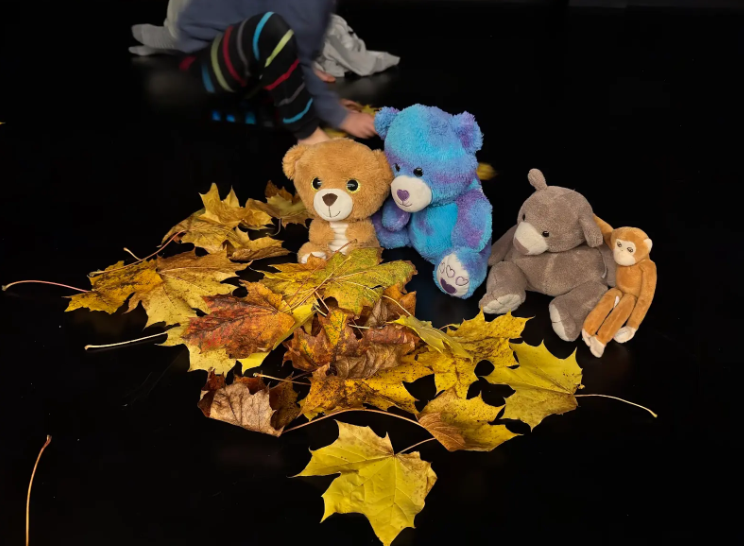
How can adult–child joint play teach us new ways of being and acting in the world?
We do not yet fully recognize the underused potential of learning from and with children through play. The International Playworld Network (IPWNW) has conducted systematic ethnographic research on playworlds since 2003.
Learn and hear more about our work!
Playworlds as Ways of Being:
Romantic Science of Care, Art, and Play
Beth Ferholt, Anna Pauliina Rainio, Ryoko Watanabe, Kiyotaka Miyazaki, Anna-Karin Forsgren Grankvist, Elin Johansson, Jeanette Thure, Monica Nilsson, and Dr. Smartypants
(In press)
“What happens when scientists admit that there are essential means of human development that science is ill-equipped to study? Aspects of play, art, and care are best studied from within their own creative processes and with emotional engagement. This book describes romantic science projects that develop participatory design research in schools, preschools, and programs for elderly care, in Japan, Finland, Sweden and the U.S. These playworlds, a sample of the authors’ collaborative work across two decades, are ways of being that are created and studied by play experts, i.e. young children, adults with dementia, imaginary characters, caregivers, artists, and scientists.”
Links to our new book coming soon!
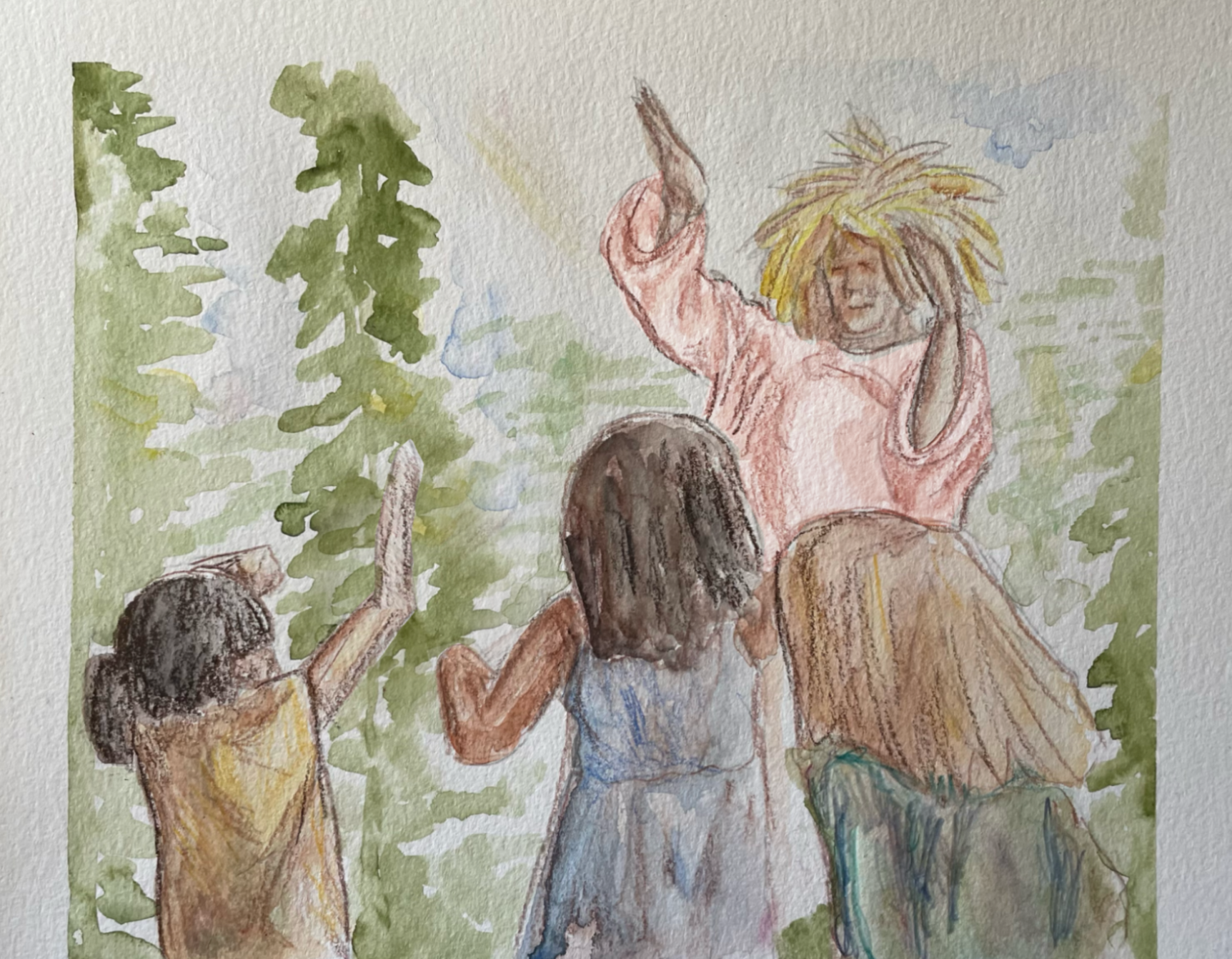
What are playworlds?
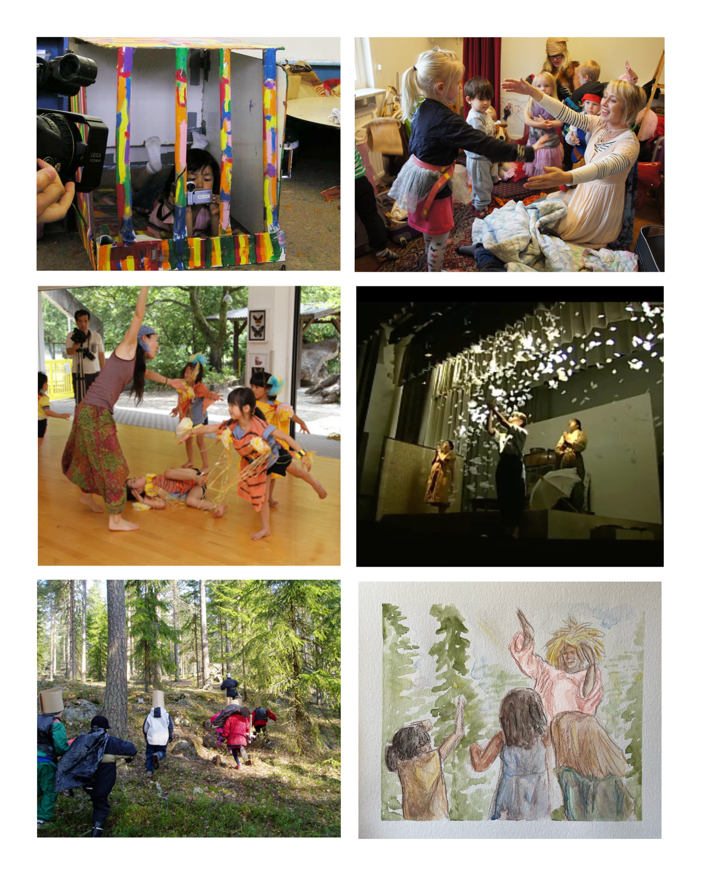
Playworlds are a form of adult-child joint play in which children, teachers, caregivers, artists, and researchers create and study imaginary worlds together. Adult-child joint play is typically structured around a piece of literature, or a work of art. Adults and children work together to ‘bring the literature to life’ through drama and play. Playworlds can be described as collaborative acts of creation, ways of being, that combine play with art and science. In all playworlds, children contribute with their expertise in playing and adults with their experiences from the adult world (art and science). The starting point of the playworld philosophy is Lev Semyonovich Vygotsky's theories of play, imagination, creativity, and art, as these theories are put into dialogue in the groundbreaking work of Gunilla Lindqvist (1995).
Learn more..
CHiLD: Cultural-historical approaches to children’s learning and development – a hub for researchers exploring human development in its historical and cultural context at the University of Helsinki
Playworlds under the Helsinki University CHiLD Hub
Concise encyclopedic summary of the current playworlds research and research gaps
Academic dissertations:
Gunilla Lindqvist on the Creative Pedagogy of Play
Beth Ferholt on perezhivanie in a Narnia playworld